“Blowin’ in the Wind” (2001) – Kek Lang

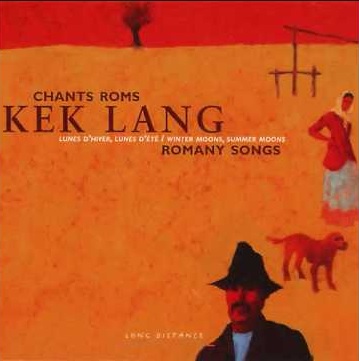
“Blowin’ in the Wind” (2001) – Kek Lang * Written by Bob Dylan * LP: Chants from Kek Lang: Summer Moons, Winter Moons, Romany Songs * Label: Long Distance

In 2013, the Buda Musique label based in France released a compilation called From Another World: A Tribute to Bob Dylan with an eye-catching cover featuring an image of Dylan’s profile as the borders of a nation. It comes off as a visual joke—no Dylan nation could be conceivable for such a border-defying body of work. A standout track among that CD’s rather exotic offerings, though, is this Hungarian gypsy folk version of “Blowin’ in the Wind” by the group Kek Lang, originally released in 2001 on the French Long Distance label. You’ll need to listen well beyond the one-minute mark, when the tempo picks up and the euphoria kicks in.
“That Lonely Feeling” (1965) – Dean Ford and the Gaylords

“That Lonely Feeling” (1965) – Dean Ford and the Gaylords * Written by John Carter and Ken Lewis * 45: “The Name Game” / “That Lonely Feeling” * Label: Columbia

This Scottish group became the Marmalade around 1966, right after which they recorded their “I See the Rain,” an alleged spark for Jimi Hendrix’s arrangement of “Hey Joe.” By 1968, they were a UK hit-making machine, with a cover of the Beatles’ “Ob-la-di Ob-la-da” reaching #1 in the UK and their elegiac “Reflections of My Life” (1970) reaching #10 in the US. As Dean Ford and the Gaylords, though, one of their standout tracks was a B-side called “That Lonely Feeling.” Although Scottish female duo the McKinleys had recorded it in 1963, this later version is a throwback slice of early Beatle balladry with a golden guitar solo.

“Can’t You Hear Me Knocking (Alternate Version)” (2015) – The Rolling Stones

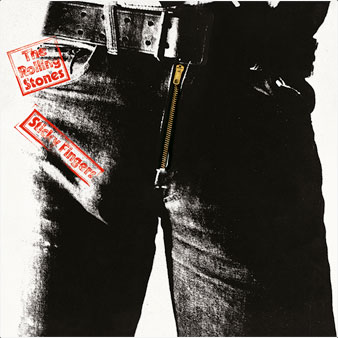
“Can’t You Hear Me Knocking (Alternate Version)” (2015) – The Rolling Stones * Written by Mick Jagger and Keith Richard * CD: Sticky Fingers (Deluxe Edition) * Produced by Jimmy Miller * Label: Rolling Stones Records

Never released as an edited single, “Can’t You Hear Me Knocking” became an album rock radio staple with its jagged guitar + Jagger vocal bursts. The song’s second section took shape as a four-minute jam, though, sounding like the kind of background incidental music earmarked for countercultural scenes in early seventies TV cop shows. (Featured soloists: Bobby Keys, Mick Taylor, and Billy Preston.) The 2015 deluxe edition of Sticky Fingers, finally, provides an official version of the track that shakes off the excess.

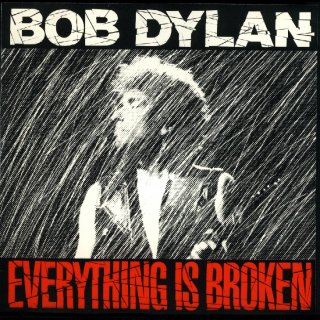
“Everything Is Broken” (1989) – Bob Dylan


“Everything Is Broken” (1989) – Bob Dylan * Written by Bob Dylan * 45: “Everything Is Broken” / “Death Is Not the End” * LP: Oh Mercy * Produced by Daniel Lanois * Label: Columbia

“Everything Is Broken,” with its lyrical index of damage, is the single most resonant song in Bob Dylan’s oceanic oeuvre. At once lamenting, lashing out, and healing, it can get its work done on any listener approaching it from any angle. Learn these words and move through your life with wisdom and compassion. The song’s zen quality shines even brighter when you consider how “Death Is Not the End” appears as the single’s B-side. (No YouTube link – everything is broken, got it?)

“It’s Forever” (1973) – The Ebonys


“It’s Forever” (1973) – The Ebonys
 * Written by Leon Huff * Produced by Kenny Gamble and Leon Huff * 45 B-side: “Sexy Ways” * LP: The Ebonys * Label: Philadelphia International Records * Charts: Billboard Hot 100 (#68); Billboard Soul (#14)

Among the jewels of early seventies Philly Soul, the Ebonys’ lesser known “It’s Forever” glitters with the best of them. The quartet originated in Camden, New Jersey, and built its sound on the interplay between the high tenor of David Beasley and the baritone of James “Booty” Tuten. They showed a flair for epic balladry similar to what the Dells were doing, with “It’s Forever” (written by Leon Huff) being their Exhibit A. The crucial, cascading vocal line that begins at :36 has since been sampled a time or two.

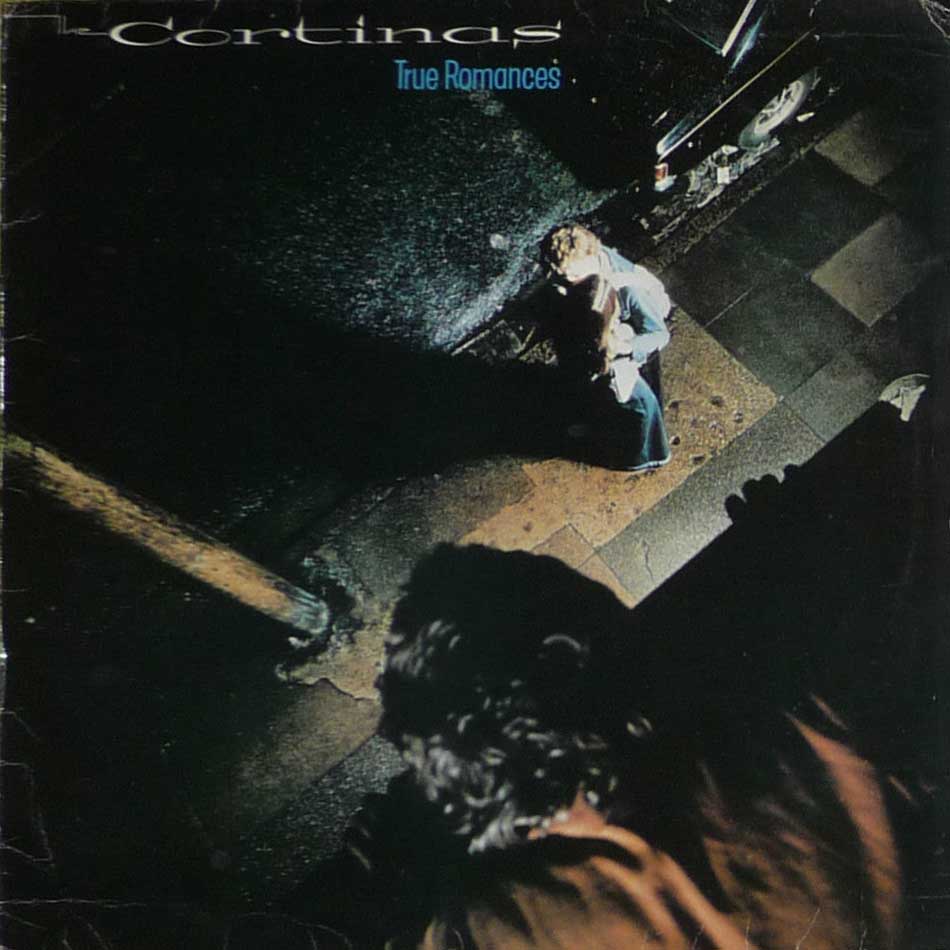
“I Don’t Really Want to Get Involved” (1978) – The Cortinas


“I Don’t Really Want to Get Involved” (1978) – The Cortinas * Written by the Cortinas * LP: True Romances * Produced by Martin Birch * Label: CBS

The Cortinas’ only album had a few things going against it: a shadowed cover image, a pre-release band breakup, and a promotional approach summed up by one of their song titles, “I Don’t Really Want to Get Involved.” What the album did have going for it was a chiseled guitar pop sound with durable hooks and cheeky teen angst lyrics. All five Cortinas, who hailed from Bristol, England, would likely express surprise at secret followings their album attracted via cutout bins in American suburbs. None of True Romances‘ stateside buyers, it’s safe to say, had an inkling of the harder-edged punk credibility the band had established for itself as 16 year olds in 1977 with the singles “Fascist Dictator” and “Defiant Pose.” No, American fans of this album would like it for what it was.

“Whiskey et Coca-Cola” (1981) – Amadou Balake

Amadou Balake – “Whiskey et Coca-Cola” (1981) * Written by Amadou Balake * LP: Afro-Charanga * Label: Zamidou Productions
 

Sometime in the mid-seventies, Burkina Faso vocalist Amadou Traore adopted the name of a popular Mande folk song and became known forever more as Amadou Balake (“balake” means “porcupine”). Conversant in numerous genres, Balake recorded warba and Mandé dance music, but also excelled in the sounds of Cuba, as you can hear on his 1981 Afro-Charanga album. This eight-minute track tastes as much like sazon completa as it does whiskey or coke.

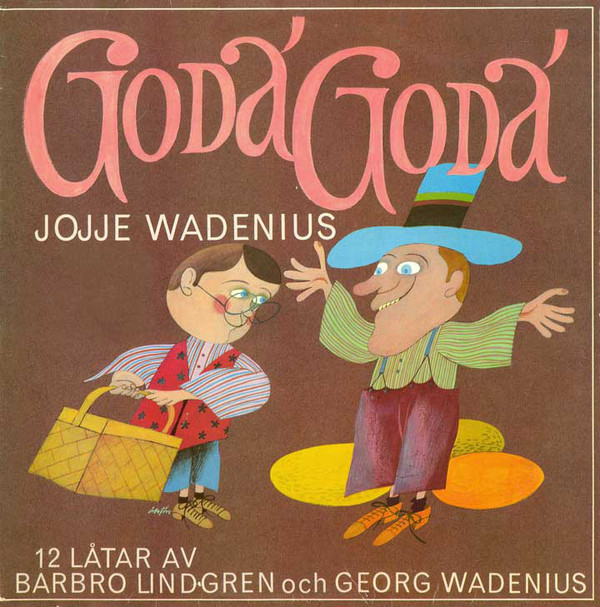
“Jag Vill Ha En Hund, En Blå” (1969) – Jojje Wadenius


“Jag Vill Ha En Hund, En Blå” (1969) – Jojje Wadenius * Written by Barbro Lindgren and Georg Wadenius * LP: Goda’ Goda’ * Produced by Anders Burman * Label: Metronome

In 1969, during the early stages of his career, the Swedish guitarist Georg Wadenius established a productive side persona for himself as “Jojje,” the children’s troubadour. The ensuing years would see him joining Blood, Sweat and Tears, touring with Steely Dan, and becoming a member of the Saturday Night Live house band (from 1979 to 1985) in addition to playing on and producing numerous records at home. The Jojje albums, though—especially the first one—have become canonical, a strong reason being that the songs didn’t just not drive parents crazy, but actually appealed to them. Listen to “Jag Vill Ha En Hund, En Blå,” a song about “wanting a blue dog if it doesn’t eat me first” to see for yourself. The children’s author Barbro Lindgren (no relation to Astrid), who was also just getting started with a celebrated career, collaborated with Wadenius on both the words and music.

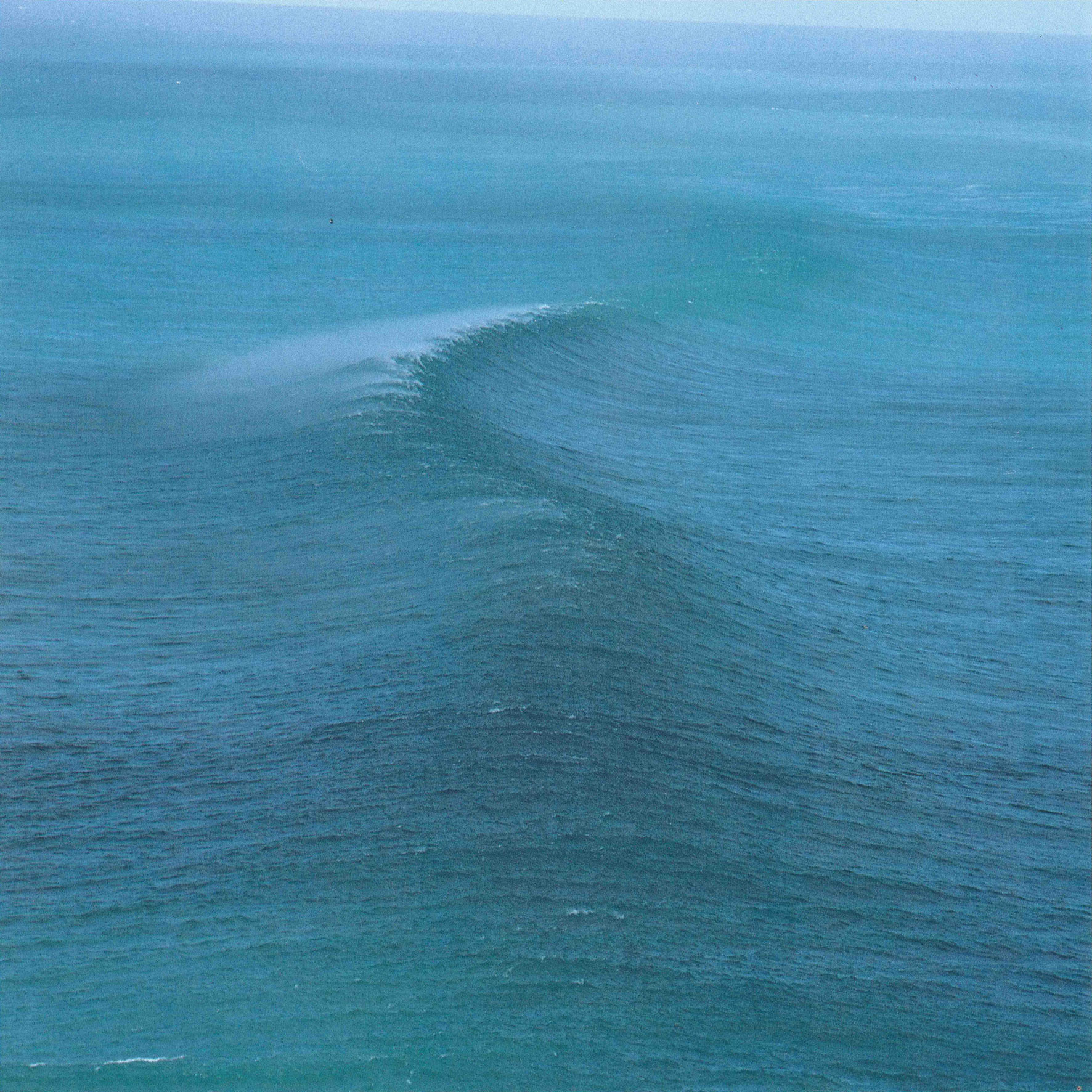
“Dreams Burn Down” (1990) – Ride

“Dreams Burn Down” (1990) – Ride * Written by Ride * CD: Nowhere * Produced by Mark Waterman * Label: Creation

On Nowhere, their first full-length CD, Ride presented themselves as Lords of the Storms, setting up—perhaps unknowingly—a ready-to-market neosurf niche for themselves that might have led them paradoxically into a more adventurous and coherent direction had they embraced it. Imagine a reinvented British surf music scene that drew endless inspiration from the moody Atlantic ocean. The surfing industry wouldn’t need actual songs about boards to attach itself to such a genre. The Nowhere album is now a prompt for the term “shoegaze,” but songs like “Dreams Burn Down” show too much command and panoramic vision for the term. Album number two should have kept going with the ocean-view concept, but it went instead for a face with peeled cucumbers blocking its vision.

“Mamaya (15ième partie)” (1999) – Grand Papa Diabaté

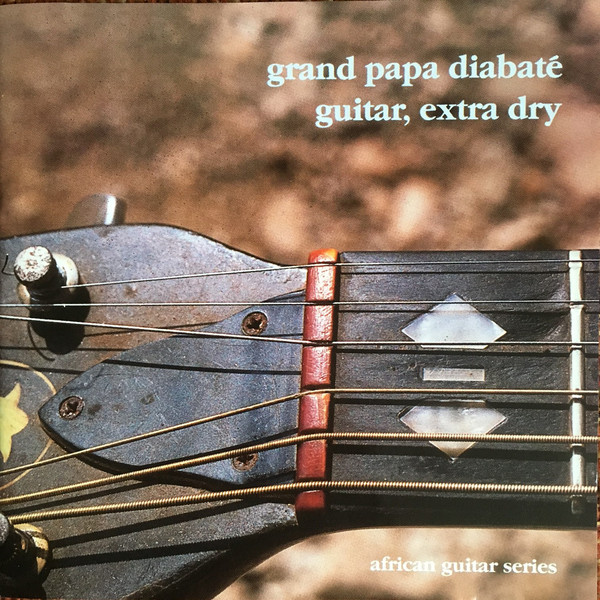
“Mamaya (15ième partie)” (1999) – Grand Papa Diabaté * Written by Kerfala Diabaté * CD: Guitar, Extra Dry * Label: Popular African Music

Kerfala “Grand Papa” Diabaté is the oldest of the four Guinean guitar-playing Diabaté brothers (who include Sekou, Sire and Abdoulaye, known collectively as the African Virtuoses). His high esteem as a traiblazing guitarist secured the instrument’s status as a standard component of Guinean music at the dawn of the country’s independence (1958). Grand Papa Diabaté wouldn’t record his first album, Guitar, Extra Dry, until 1999, though, when he was 63 years old. A CD collection of his brothers’ music (The Classic Guinean Guitar Group, most of it recorded in the early 1980s) saw widespread release in 2007. The vocalist on “Mamaya” is Sona Diabaté, who is the sister of Bembeya Jazz guitarist Sekou, but has no immediate relation to Grand Papa.